
Is It Really Possible to Treat Fatty Liver with Weight Loss Surgery?
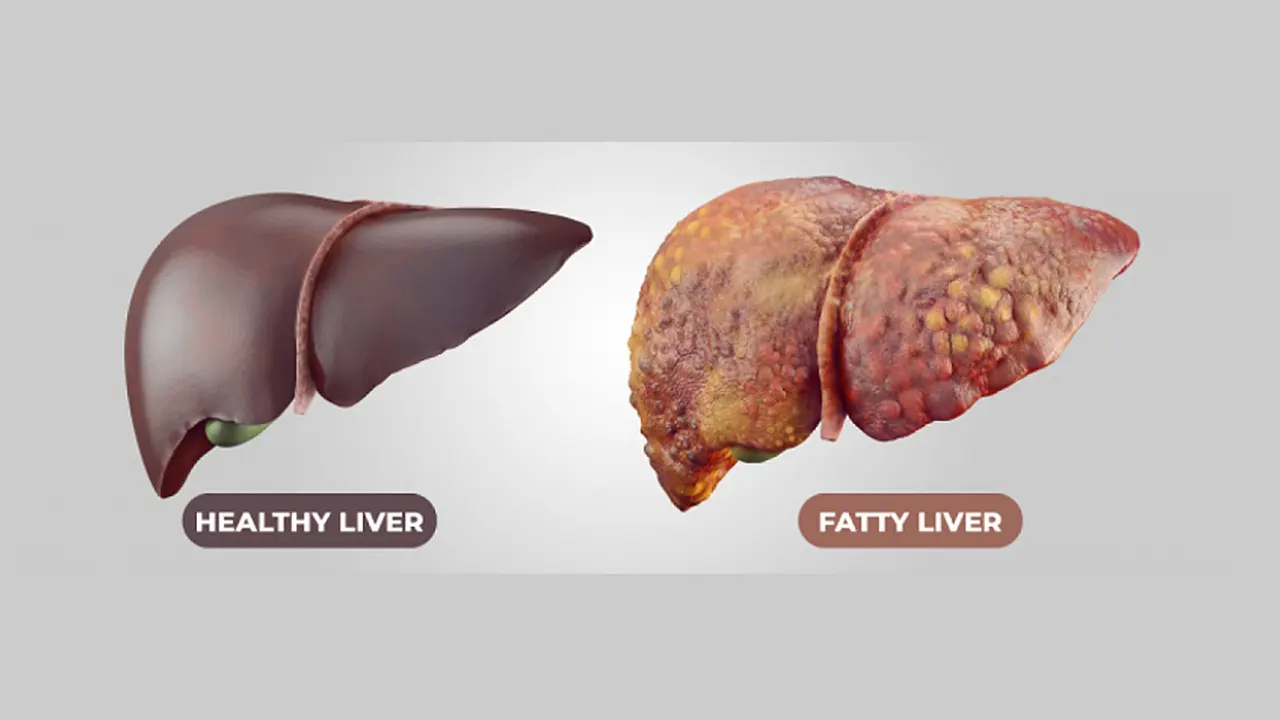
Fatty liver is a condition that many people do not take seriously—until it’s too late. While individuals may try multiple treatments for this disease, weight loss surgery is one of the most effective options. Here, we explain everything you need to know about the treatment of fatty liver with weight loss surgery in simple terms. Can this surgery really save your liver? Is this the quick solution you’ve been looking for?
How Fat Accumulates in the Liver
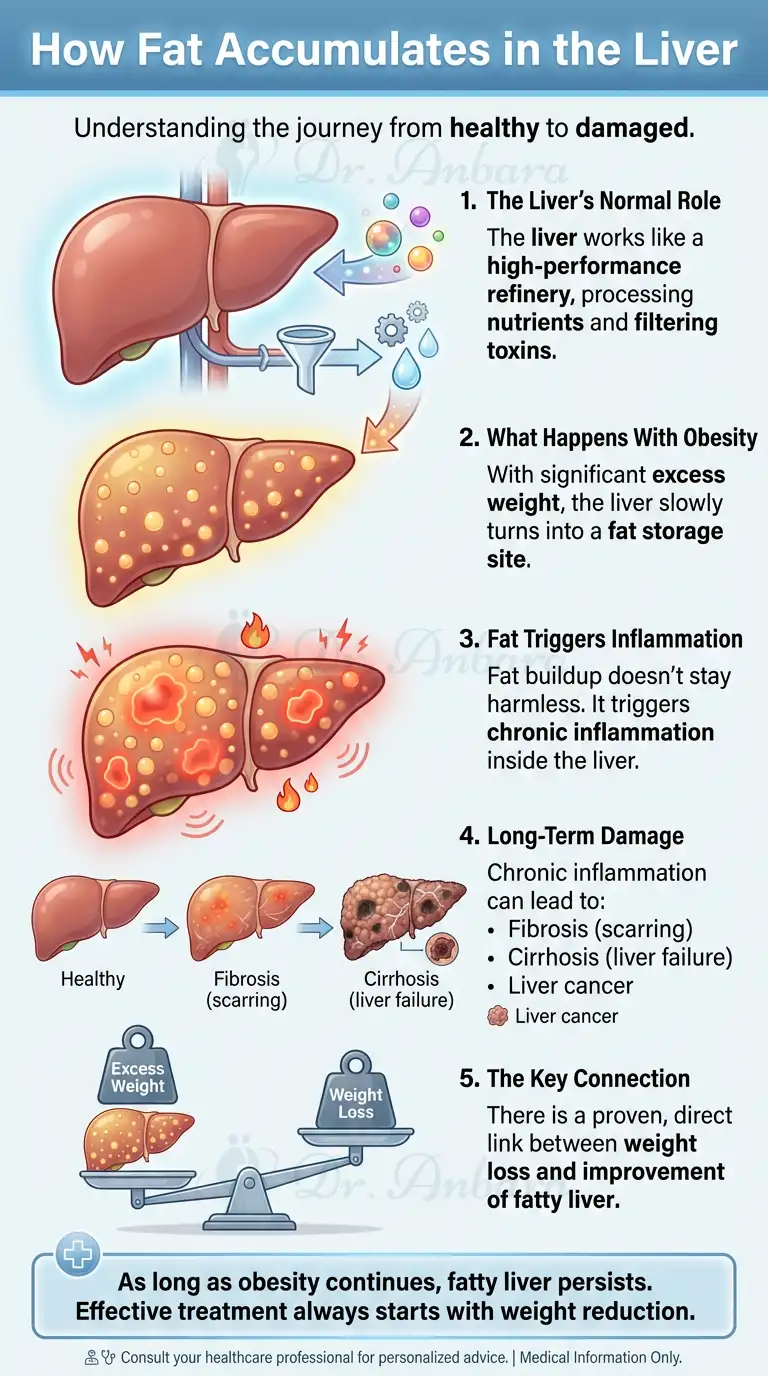
Your liver acts like a highly advanced refinery in your body. However, when you are significantly overweight, this refinery gradually turns into a fat storage depot. Fat does not just sit quietly; it causes inflammation. Chronic inflammation damages liver cells and can eventually lead to fibrosis (scarring), cirrhosis (liver failure), and even liver cancer.
There is a direct, proven link between weight loss and fatty liver. As long as obesity persists, fatty liver will remain a persistent problem. That’s why any effective treatment for fatty liver ultimately comes down to weight reduction.
How Does Weight Loss Surgery Fight Fatty Liver?
Now we reach the main topic. Treatment of fatty liver with weight loss surgery works through several powerful and simultaneous mechanisms. It is not about directly removing fat from the liver; rather, bariatric surgery indirectly—but very effectively—improves liver health.
Rapid and Sustained Weight Loss Targets Liver Fat
After a gastric sleeve or bypass, you enter a phase of rapid weight loss. Your body, receiving fewer calories from food, turns to its largest energy reserve: fat. One of the first places your body uses fat from is the liver.
As you lose weight, the fat accumulated in the liver begins to burn and decrease. This process significantly reduces liver inflammation and allows liver cells to regenerate and repair.
Weight Loss Surgery Improves
Obesity causes insulin resistance, meaning the body’s cells do not respond effectively to insulin, a hormone that regulates blood sugar. This is a major factor in fat accumulation in the liver.
Bariatric surgery, especially sleeve and bypass procedures, creates remarkable hormonal changes that quickly restore insulin sensitivity. This improvement begins even before significant weight loss occurs, addressing one of the root causes of fatty liver.
Surgery Reduces Overall Body Inflammation
Excess fat tissue produces inflammatory substances continuously. Chronic inflammation harms not only the liver but other organs as well. Weight loss surgery reduces fat mass, eliminating a primary source of inflammation and allowing the liver and body to return to a healthier state.
What Do Scientific Studies Say?
The short answer: Yes, it works. Hundreds of reputable studies worldwide confirm the remarkable impact of bariatric surgery on improving fatty liver. Many gastroenterologists and hepatologists now consider weight loss surgery the most effective treatment for fatty liver in obese patients.

Some key findings:
- Over 90% of patients with severe fatty liver who underwent bariatric surgery showed significant improvement in liver fat and inflammation.
- Even early-stage liver fibrosis, previously thought irreversible, improved or disappeared in many patients, indicating that surgery can partially reverse liver damage.
Impact on Grade 3 Fatty Liver
Many wonder whether gastric sleeve surgery is effective for grade 3 fatty liver. The answer is yes. Grade 3 is the most severe stage before fibrosis. Bariatric surgery provides substantial, sustained weight loss, effectively removing liver fat and preventing progression to cirrhosis.
Is Liver Surgery Involved?
A common misconception is that treatment of fatty liver with weight loss surgery involves operating directly on the liver. In reality, the procedure is a bariatric surgery—gastric sleeve or bypass—performed on the stomach and digestive system. The surgery indirectly treats fatty liver through metabolic and hormonal changes, combined with significant weight loss.

Who Is Eligible for Surgery?
Eligibility is an important question. For example, if someone is 75 kg and 154 cm tall with grade 3 fatty liver, can they undergo sleeve surgery? Let’s calculate their BMI:
- Height: 154 cm = 1.54 m
- Weight: 75 kg
- BMI = 75 ÷ (1.54 × 1.54) ≈ 31.6
A BMI of 31.6 falls into Obesity Class I. According to global standards, sleeve surgery is generally recommended for individuals with BMI over 35 with comorbidities or BMI over 40. So, normally, this person would not be a candidate.
Important Note
Recent studies have shown outstanding metabolic benefits of bariatric surgery, prompting some scientific societies to consider surgery for patients with lower BMI in very severe cases of fatty liver on the verge of fibrosis. This is rare and only under expert medical supervision.
| Patient Status | BMI | Surgery Criteria |
|---|---|---|
| Morbid Obesity | ≥40 | Surgery alone is sufficient |
| Severe Obesity | 35–39.9 | Must have at least one obesity-related condition (diabetes, hypertension, sleep apnea, or severe fatty liver) |
| Obesity Class I | 30–34.9 | Not typically eligible, except in special cases under expert supervision |
| Overweight | 25–29.9 | Not eligible |
Why Consider Surgery?
Treatment of fatty liver with weight loss surgery is one of the most effective strategies for obese individuals. By addressing the root cause—obesity—the surgery not only protects your liver from severe damage but also improves diabetes, hypertension, respiratory issues, and many other health problems.

For eligible patients, bariatric surgery can address multiple health concerns simultaneously, offering a comprehensive path to restored health. Consulting a qualified bariatric surgeon is essential.
Frequently Asked Questions
Improvement is gradual. Significant changes may appear in tests and imaging within 6–12 months.
Early-stage (compensated) cirrhosis may allow surgery, but advanced (decompensated) cirrhosis carries high risk and is generally not performed.
No. Any sustained weight loss, including diet and exercise, can improve fatty liver. Surgery is the most effective and durable option for severely obese patients.
No. Alcohol should be avoided completely after bariatric surgery.
Studies suggest bypass may provide slightly more metabolic benefits, but both are effective.