Benefits of Bariatric Surgery: How Weight Loss Surgery Transforms Lives

Bariatric surgery, also known as weight loss surgery, is a modern and effective medical procedure that has helped millions of individuals with a body mass index (BMI) of 35–40 or higher to reduce excess weight and achieve a healthier life. Different types of stomach surgeries for weight loss allow patients to change unhealthy eating habits, successfully lose weight, and maintain their results over time.
Additionally, many health conditions associated with obesity improve significantly after bariatric surgery. In the following sections, you will learn about the most important benefits of bariatric surgery.
What Are the Main Benefits of Bariatric Surgery?
Bariatric surgery offers numerous advantages and can positively impact patients in various ways. The key benefits of bariatric surgery include:
Long-Term Reduction in Mortality (Increased Lifespan)
Individuals suffering from severe obesity often have shorter life expectancy. On average, a person with obesity may live 12 years less than someone with a healthy weight.

Bariatric surgery has been shown to reduce excess body weight, lower the risk of stroke and heart disease, and ultimately increase the patient’s lifespan.
Long-Term and Sustainable Weight Loss
One of the most significant benefits of bariatric surgery is the considerable reduction in body weight. Studies indicate that most patients maintain approximately 50% of their weight loss, and concerns about regaining weight after surgery are generally minimal.
For patients with severe obesity, 50–80% of the lost weight is typically maintained long-term after the procedure.
Improvement in Many Obesity-Related Diseases
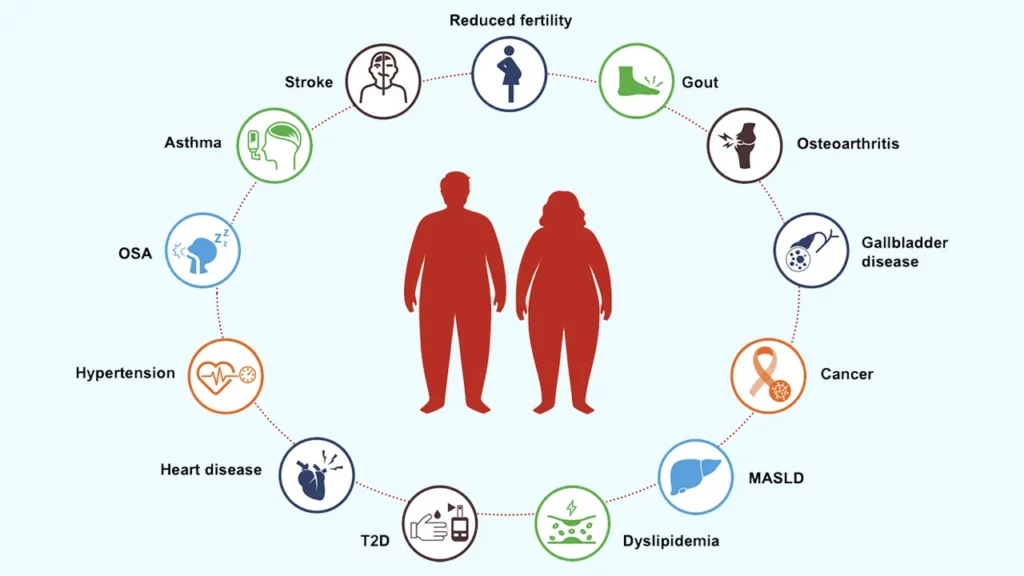
By achieving significant weight loss, bariatric surgery can improve or even resolve numerous obesity-related health conditions, including:
- Type 2 diabetes
- High blood pressure
- Heart disease
- High cholesterol
- Knee, back, and joint pain caused by excess weight
- Depression
- Sleep apnea and breathing difficulties
- Heartburn
- Stress urinary incontinence
- Irregular menstrual cycles
- Asthma
- Stretch marks
- Severe vascular blockages
Stopping Acid Reflux
Excess fat around the abdomen puts pressure on the stomach, which often causes acid reflux. Weight loss reduces this pressure and frequently stops gastroesophageal reflux disease (GERD).
Enhanced Fertility
Obesity can negatively affect fertility. Weight loss through bariatric surgery can:
- Regularize menstrual cycles
- Reduce high androgen hormone levels
- Improve symptoms of polycystic ovary syndrome (PCOS)
- Increase fertility in many women
Increased Metabolism
After losing weight, patients naturally participate in more physical activities such as cycling, walking, and swimming. This improves the body’s ability to burn fat.

Hormones such as insulin and cortisol (stress hormone) also decrease after bariatric surgery, reducing fat storage in the body and promoting overall metabolic health.
Improved Quality of Life
Severe weight loss after bariatric surgery can dramatically transform a patient’s personal and social life. While some improvements are common to most patients, others may vary individually.
Typical positive changes include:
- More career opportunities
- Improved breathing and reduced shortness of breath
- Increased energy levels
- Better sleep quality
- Greater self-confidence
- Enhanced marriage prospects
- More variety and choices in clothing
- Increased effectiveness of exercise and physical activity
Overall, both physical and mental health improve significantly after bariatric surgery, leading to a higher quality of life and lasting positive changes.