
What Is Sleep Apnea and How Does Weight Loss Surgery Treat It?

Many people who are overweight or obese suffer from various health problems, including sleep apnea. In fact, due to sleep apnea, these individuals often do not experience quality sleep or proper rest at night. As a result, they may struggle with poor sleep for different reasons. Fatigue, low energy levels, and further weight gain are among the complications associated with this condition.
In this article, we explain sleep apnea in obese individuals and review the available treatment options. If you are dealing with this problem, reading this article may be helpful for you.
What Is Sleep Apnea?
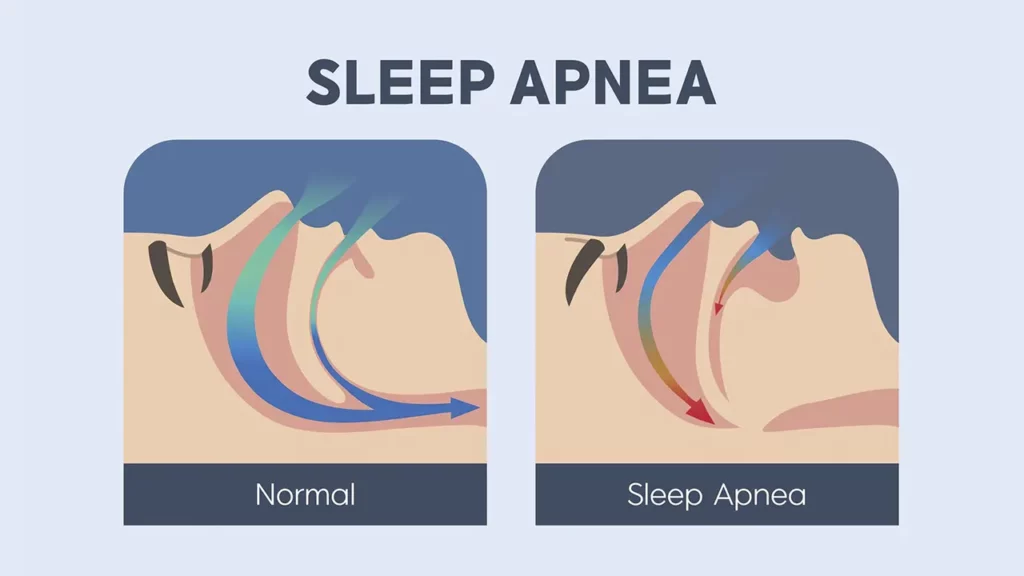
Obstructive sleep apnea (Sleep Apnea) is a breathing disorder that affects people during sleep. A person with obstructive sleep apnea experiences repeated pauses in breathing throughout the night. Each breathing interruption may last from a few seconds to several minutes.
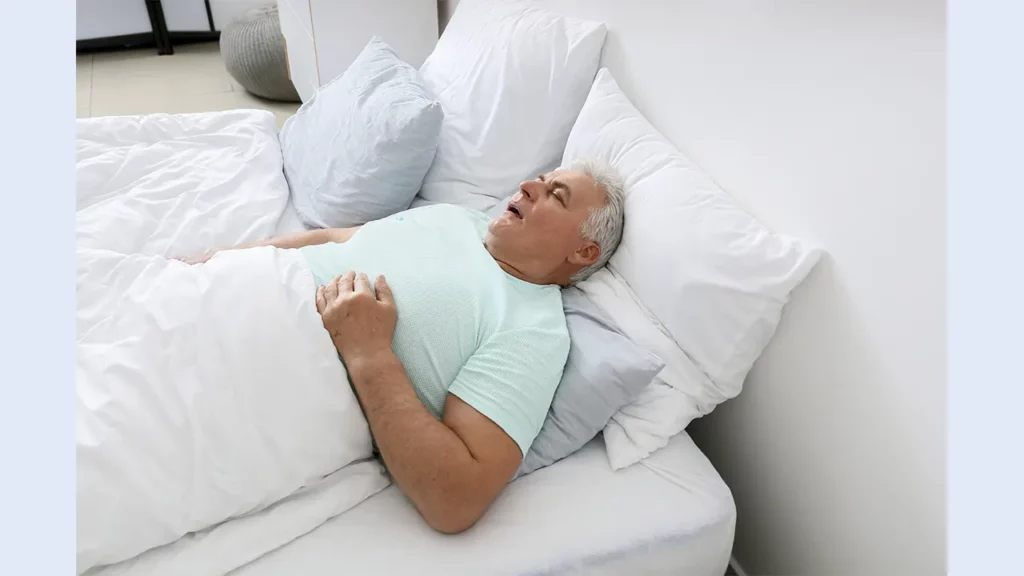
Patients may experience sleep apnea dozens or even hundreds of times per night, and sometimes wake up suddenly with shortness of breath or a feeling of panic.
What Causes Sleep Apnea?
Sleep apnea can occur in several forms:
Obstructive Sleep Apnea (OSA)
This type of sleep apnea occurs when the throat muscles relax during sleep, causing the airway to become blocked and preventing normal airflow.
Central Sleep Apnea (CSA)
Central sleep apnea happens when the brain fails to send proper and timely signals to the muscles responsible for breathing.
Complex Sleep Apnea
If a patient with OSA develops CSA during treatment, the condition is referred to as treatment-emergent or complex sleep apnea.
What Are the Most Common Symptoms of Sleep Apnea?
- Loud snoring during sleep
- Morning headaches
- Frequent awakenings during the night
- Excessive daytime sleepiness
- Frequent nighttime urination
- Insomnia
- Persistent fatigue and lack of energy
What Are the Risk Factors for Sleep Apnea?
The following factors can worsen sleep apnea and are considered major risk factors:
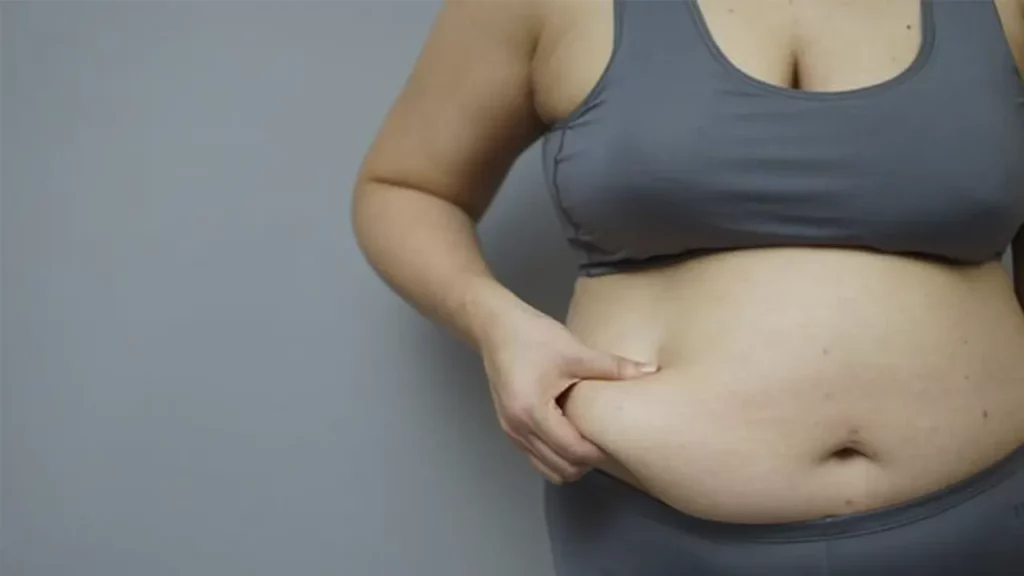
- Severe obesity (BMI over 30)
- Large neck circumference (over 43 cm in men and over 38 cm in women)
- Increasing age
- Diabetes
- High blood pressure
- Male gender
- Narrow airways such as the trachea
- Enlarged tonsils
- Craniofacial abnormalities
- Down syndrome
- Frequent changes between night and day shifts
From an ethnic perspective, Asian individuals and Hispanic women are at a higher risk of developing sleep apnea.
How Is Obstructive Sleep Apnea Treated?
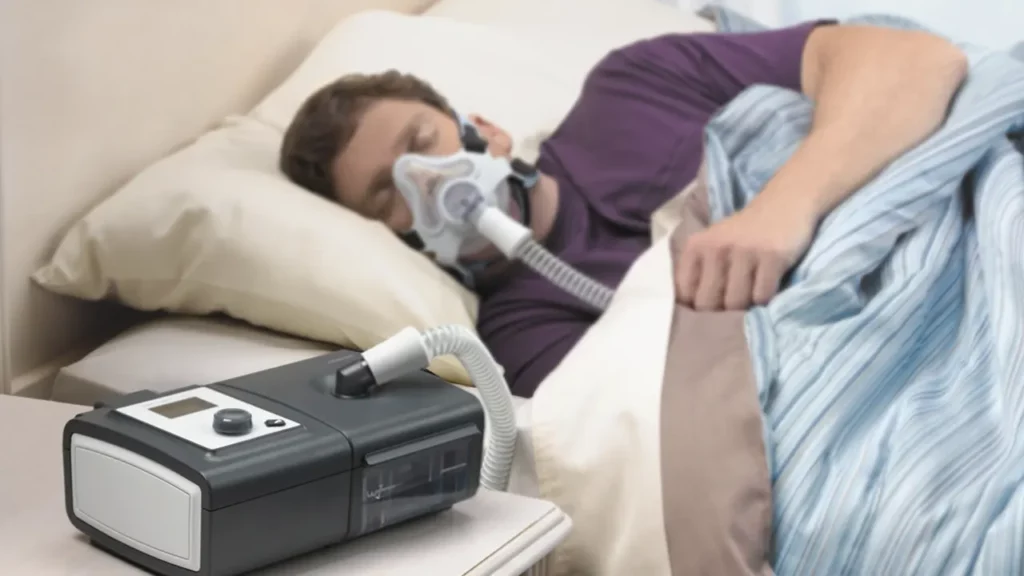
There are several treatment options available for this breathing disorder. However, since obesity is one of the main causes of sleep apnea, treating obesity can significantly improve or even eliminate the condition.
If you suffer from severe obesity along with obstructive sleep apnea, weight loss is the most effective solution, and bariatric surgery is one of the best ways to achieve lasting results.
During weight loss surgery, the stomach size is reduced, food absorption is limited, or both methods are combined. This decreases appetite and calorie intake. As a result, obese patients gradually lose weight, and sleep apnea symptoms often disappear.
Types of Weight Loss Surgery for Treating Sleep Apnea
Several bariatric surgery procedures can help eliminate obesity and sleep apnea, including:
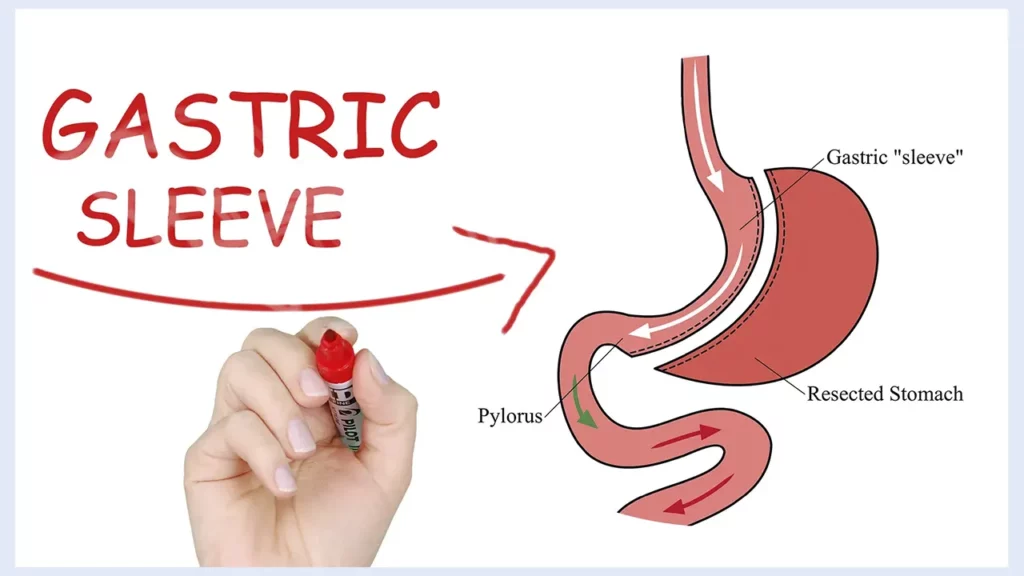
- Gastric sleeve surgery
- Gastric bypass surgery
- Intestinal bypass or duodenal switch
- Gastric plication
- Gastric balloon
- Gastric banding
To learn more about each procedure, click on the relevant links.
How Does Weight Loss Surgery Help Treat Obstructive Sleep Apnea?
In recent years, several studies have been conducted on obese patients suffering from sleep apnea. These studies show that most obese patients no longer experience sleep apnea after bariatric surgery and postoperative weight loss.

Weight loss surgery improves or eliminates the factors that contribute to sleep apnea. For this reason, since 2013, bariatric surgery has been recognized as one of the effective treatments for sleep apnea in obese individuals.
What Is the Best Weight Loss Surgery for Treating Sleep Apnea?
Over the past years, 69 different studies involving more than 13,900 obese patients with obstructive sleep apnea have been conducted. More than 75% of these patients experienced significant improvement in their breathing condition after surgery.
Estimates suggest that gastric sleeve surgery is the most successful option for treating sleep apnea, while gastric banding has the least effect. In other words, bariatric surgery—regardless of the technique—offers a definitive solution for sleep apnea.
Are You Obese and Suffering from Severe Sleep Apnea?
If you have struggled for years with severe obesity and obstructive sleep apnea, it is time to take action. Sleep apnea is a serious condition that can significantly affect your daily life and overall health. By treating obesity, you can effectively eliminate this disorder and restore balance and comfort to your life.
Keep in mind that treating sleep apnea is only one of the many benefits of weight loss surgery. Losing excess weight is a life-changing opportunity for anyone who has lived with obesity for years.
If you would like to receive a consultation from Dr. Anbara, a bariatric surgeon, you can click on the Book an Appointment link. If you have specific questions about weight loss surgery, feel free to contact the clinic using the provided phone numbers.