Who Is a Candidate for Weight Loss Surgery?

When it comes to treating obesity and managing its related risks and complications, weight loss surgery—also known as bariatric surgery—has gained significant attention as an effective solution. While these procedures are not instant miracle cures, they are powerful medical tools that can help people with severe obesity move toward better health and well-being. However, not everyone qualifies for these procedures. In this article, we explore who truly makes the best candidate for weight loss surgery.
An Introduction to Weight Loss Surgery

Before discussing the criteria for a candidate for weight loss surgery, it is helpful to briefly explain what these procedures involve. Bariatric surgery is a general term for a group of surgical methods designed to support weight loss and treat obesity.
These procedures—including gastric sleeve surgery, gastric bypass, and others—alter the anatomy and physiology of the digestive system. The goal is to promote safe, long-term weight loss while helping patients improve obesity-related conditions and dramatically enhance their quality of life.
What Conditions Should a Candidate for Weight Loss Surgery Have?
Not every person with obesity is automatically a candidate for weight loss surgery. Before recommending any bariatric procedure, surgeons perform comprehensive medical evaluations. In general, individuals who meet most of the following criteria may qualify.
Having an Appropriate Body Mass Index (BMI)
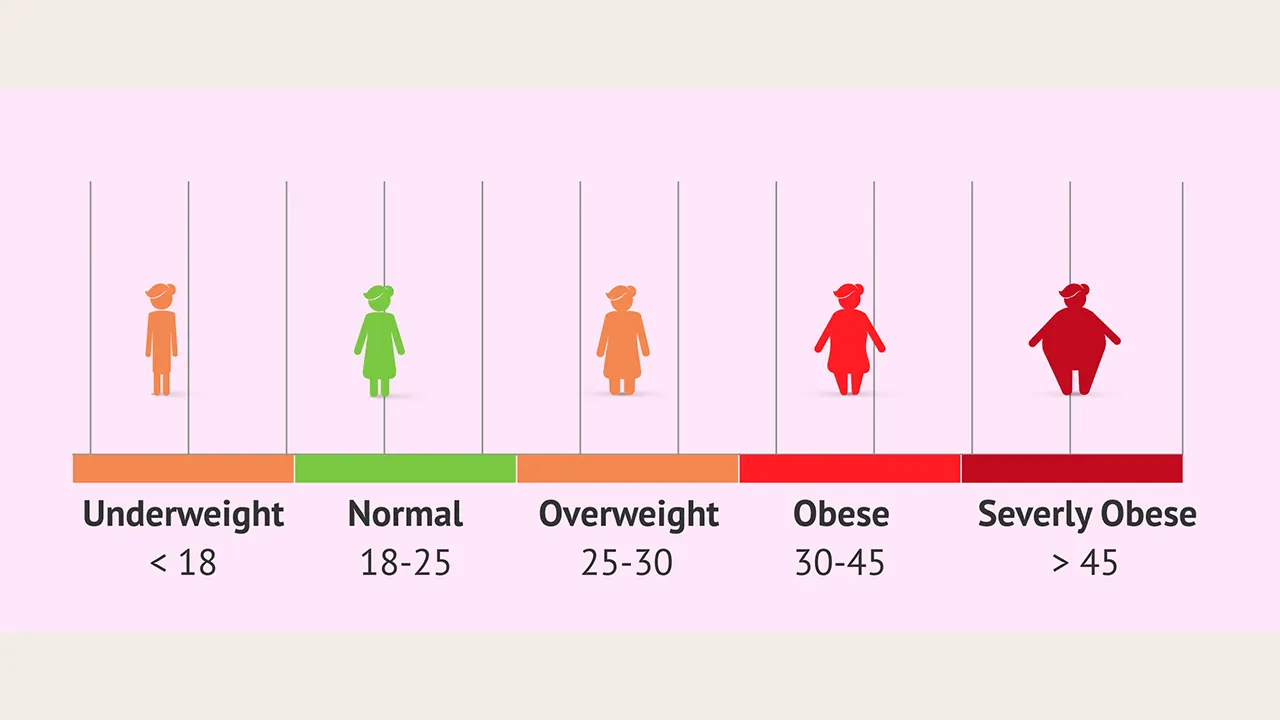
One of the most important factors in determining a candidate for weight loss surgery is having a sufficiently high Body Mass Index (BMI). In most cases:
- People with a BMI of 40 or higher are considered good candidates.
- People with a BMI of 35 or higher may also qualify if they suffer from obesity-related medical conditions.
Suffering from Obesity-Related Diseases
A strong candidate for weight loss surgery often struggles with conditions linked to obesity, such as:
- Type 2 diabetes
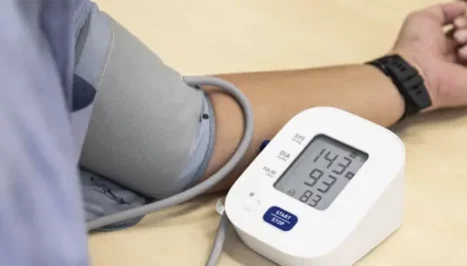
- High blood pressure
- Sleep apnea
- Joint problems or other serious disorders

If these conditions are severe, life-threatening, or significantly reduce quality of life, bariatric surgery may be recommended—always alongside BMI evaluation.
A History of Unsuccessful Weight Loss Attempts
Bariatric surgery is usually considered a last medical option. A suitable candidate for weight loss surgery is someone who has seriously tried to lose weight through:
- Diet plans
- Regular exercise
- Medical supervision
If these efforts have failed to produce sustainable results, surgery may become a realistic option.
Emotional Stability and Psychological Readiness
Weight loss surgery is not only a physical transformation—it is also a mental and emotional journey. Therefore, every candidate for weight loss surgery typically undergoes a psychological assessment before approval.

Candidates must demonstrate emotional stability, good mental health, and readiness to cope with lifestyle changes, rapid weight loss, and body image shifts. Without this preparation, patients are generally not approved as a suitable candidate for weight loss surgery.
Understanding the Need for Long-Term Lifestyle Changes
Bariatric procedures require a lifelong commitment to:
- Healthy eating habits
- Regular physical activity
- Ongoing medical follow-up
A true candidate for weight loss surgery clearly understands these responsibilities and is willing to maintain a healthy routine after the operation.
Meeting the Recommended Age Criteria
Age requirements for a candidate for weight loss surgery depend on the specific procedure and surgeon guidelines. In most cases:

- The minimum recommended age is 18 years.
- There is no strict upper age limit, as long as the patient is medically fit to tolerate surgery.
Special Considerations for Teen Patients
In rare cases, adolescents with severe obesity and serious related conditions may be considered a candidate for weight loss surgery. However, this requires detailed medical, nutritional, and psychological assessments by specialized healthcare teams.
Being Medically Fit for Surgery
Every candidate for weight loss surgery must complete thorough medical testing, including:
- Blood work
- Imaging studies
- Specialist consultations

These evaluations help identify underlying conditions that may affect surgical safety. If all results are acceptable, the patient may be approved for surgery.
Contraindications and Risks of Weight Loss Surgery
Certain medical conditions may make weight loss surgery unsafe or significantly increase surgical risks. These may include:
- Active heart disease
- Uncontrolled mental health disorders
- Previous digestive surgeries that altered gastrointestinal anatomy
If these apply, a person may not qualify as a candidate for weight loss surgery.
It is also essential to understand that, like any surgical procedure, bariatric surgery carries potential risks. These may include infection, bleeding, blood clots, staple line leaks, and adverse reactions to anesthesia. A responsible candidate for weight loss surgery must fully understand these risks and weigh them against the potential benefits.

Final Thoughts on Choosing the Right Candidate for Weight Loss Surgery
Weight loss surgery can dramatically change the lives of individuals struggling with obesity and its complications. However, as emphasized throughout this article, not everyone is an appropriate candidate for weight loss surgery.
Eligibility depends on several important factors, including recommended BMI, presence of obesity-related diseases, previous weight loss attempts, psychological readiness, and overall medical condition. A thorough evaluation by an experienced bariatric team is the only way to determine whether someone is truly a suitable candidate for weight loss surgery.