
Childhood Obesity (Causes, Symptoms, and Answers to the Most Common Questions)
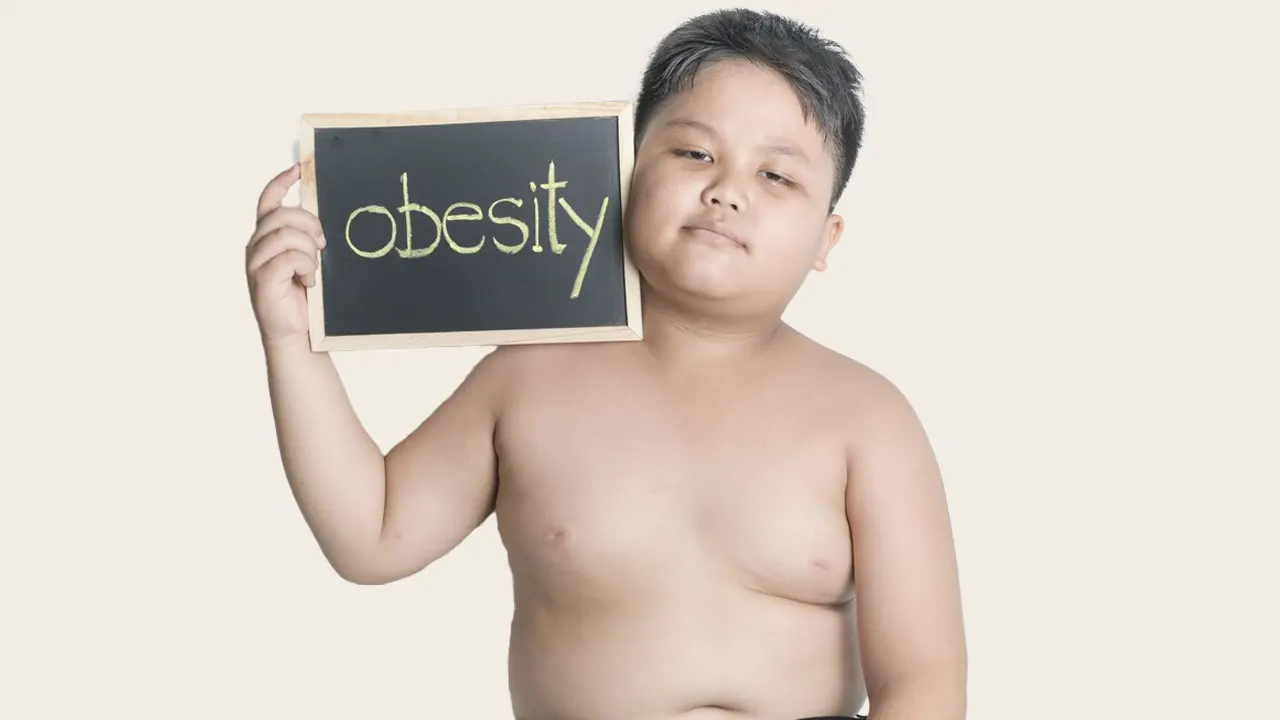
Childhood obesity is a growing concern that affects not only adults but also a large number of children across different age groups. Childhood obesity can lead to numerous health issues that may not be immediately apparent but often reveal themselves later in adulthood. Conditions such as diabetes, high blood pressure, and elevated cholesterol levels—often beginning in childhood—can continue into adult life. Many children with obesity remain overweight in adulthood, especially if one or both parents are also affected. Childhood obesity may also contribute to low self-esteem and depression.
Symptoms of Childhood Obesity (Key Warning Signs)
Some of the most common symptoms of childhood obesity include:

- Visible physical changes such as stretch marks on the hips and abdomen, darkened skin around the neck and other areas
- Increased fatty tissue around the chest
- Severe loss of self-confidence
- Appetite disorders
- Shortness of breath during physical activity
- Sleep apnea
- Constipation
- Acid reflux
- Early puberty and irregular menstrual cycles in girls
- Delayed puberty in boys
- Flat feet
- Hip instability or hip displacement
- And more
Summary Table
| Category | Description |
|---|---|
| Main Causes of Obesity | Genetic factors, consumption of fatty and unhealthy foods, inactivity, medication use |
| Symptoms of Childhood Obesity | Constipation, shortness of breath, sleep apnea, flat feet, delayed puberty in boys, appetite disorders |
| Diagnosis | BMI calculation (Body Mass Index) |
| Role of Parents | Educating children about healthy eating and regular physical activity |
| Prevention Tips | Limiting sugary and fatty foods, encouraging physical activity, promoting fruits/vegetables, treating underlying conditions |
How Is Childhood Obesity Diagnosed?
Calculating Body Mass Index (BMI) using height and weight is the most common method for assessing weight status in both children and adults. BMI helps identify overweight or childhood obesity early, allowing timely intervention.
Doctors may also use growth charts and additional tests to evaluate whether a child’s weight may pose health risks.

What Causes Childhood Obesity?
Children may develop childhood obesity for several reasons. The main contributing factors include:
- Genetic predisposition
- Low physical activity
- Unhealthy eating patterns
- Or a combination of all these factors
Less Common Medical Causes
Childhood obesity caused by medical conditions such as hormonal problems is rare. A physical examination and blood tests can determine whether such issues are present.
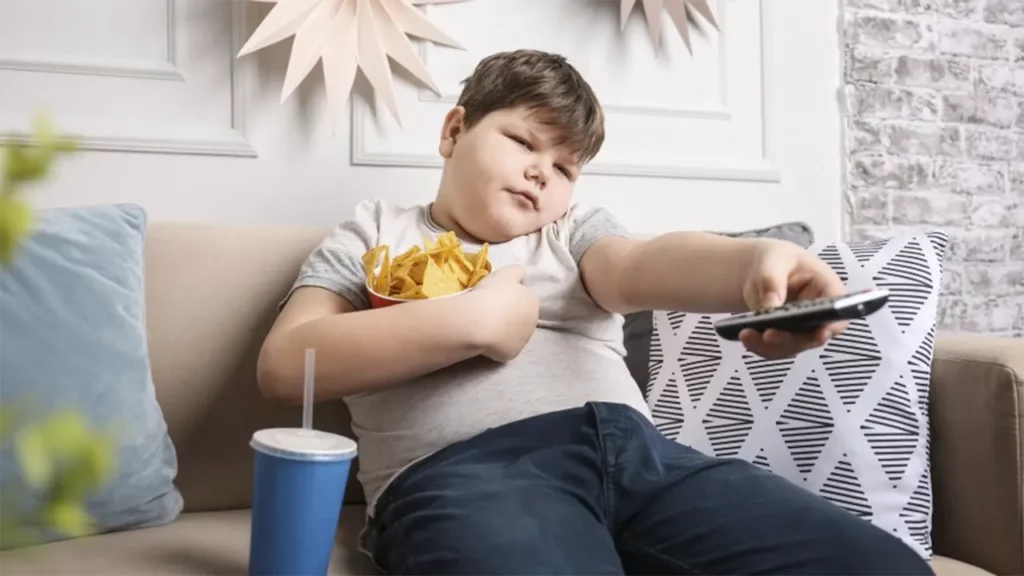
Even though weight issues often run in families, not every child with overweight parents will necessarily become obese. Children whose parents or siblings are overweight are at higher risk, but lifestyle habits—such as eating patterns and physical activity—play an important role.
Can Childhood Obesity Be Genetic or Hereditary?
Genetics significantly influence childhood obesity. Children with a family history of overweight are at higher risk. In most cases, genetics interact with behavioral and environmental factors, meaning that dietary habits and physical activity are just as important as hereditary factors.
Will My Child Outgrow Excess Weight Over Time?
A child will not outgrow excess weight unless they learn to make healthier lifestyle choices. Studies show that children who experience childhood obesity or are overweight are more likely to remain obese in adulthood.
Should My Child Follow a Weight-Loss Diet?
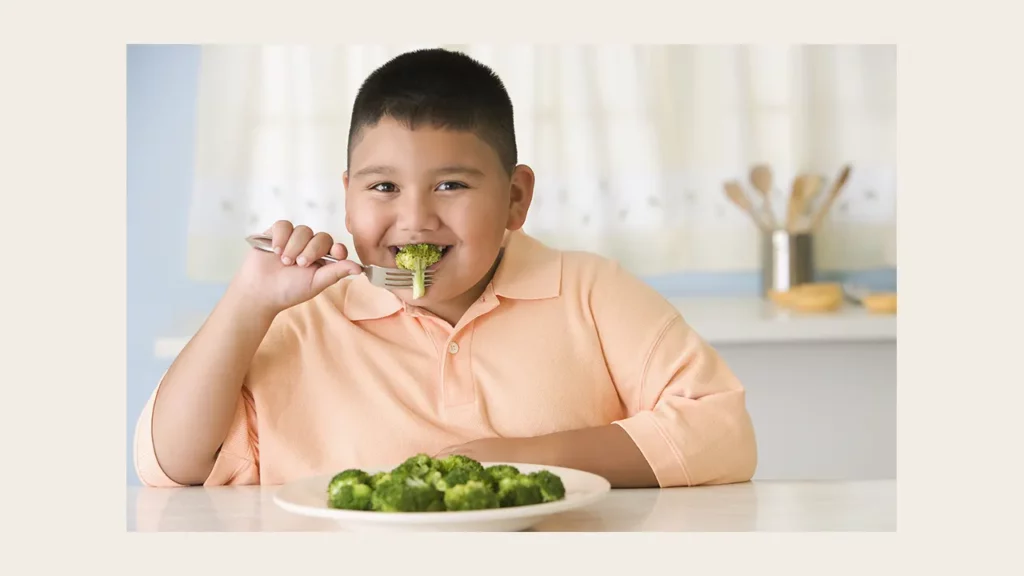
Because children are still growing, they need a certain amount of nutrients and calories every day. Therefore, instead of restrictive diets, it is better to encourage healthier habits:
- Increasing physical activity
- Reducing fatty and sugary foods
- Following balanced eating patterns
Unsupervised or extreme dieting may harm your child’s growth and overall health. Always consult a healthcare professional before starting any diet plan.
How Can Parents Help Treat Childhood Obesity?
Teach your child that healthy eating habits and regular physical activity are the keys to maintaining a healthy weight. These habits also help prevent physical, emotional, and social issues associated with childhood obesity.
As a parent, your behavior strongly influences your child. They learn by observing you. Therefore:
- Be a positive role model
- Apply healthy eating and activity rules to the whole family
- Avoid temporary “diet programs”
- Focus on long-term habits that support lifelong health
What Are the Best Ways to Prevent Childhood Obesity?
You can prevent childhood obesity by following these steps and seeking guidance from a healthcare provider if needed:
- Limit sugary drinks
- Encourage physical activity, playing, or sports
- Reduce or limit fast foods and unhealthy snacks
- Treat underlying medical conditions that may contribute to weight gain
- Address psychological issues such as depression, frustration, or low self-esteem
- Encourage daily consumption of fresh fruits and vegetables
- Limit screen time (TV, computers, smartphones)
- And more

Frequently Asked Questions About Childhood Obesity
No. There are no quick fixes or magic solutions. Sustainable weight loss requires months of consistent effort and patience.
Children may develop conditions such as sleep apnea, acid reflux, and increased fatty tissue around the chest.
Weight-loss surgery is generally not recommended for children. It is better to consult a nutritionist and follow a medically supervised, age-appropriate treatment plan.