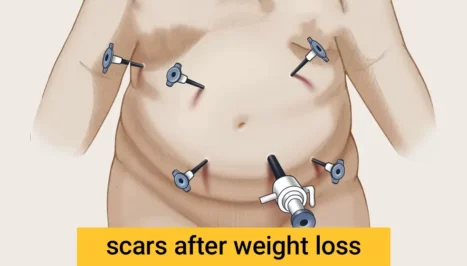
7 Facts About Pregnancy and Breastfeeding After Sleeve Gastrectomy

If pregnancy after sleeve gastrectomy is managed properly by the woman herself and her partner, a healthy and safe pregnancy can be expected. In fact, research shows that pregnancy after sleeve gastrectomy is significantly safer for both the mother and the baby compared to pregnancy during morbid obesity.
This article explains important points about pregnancy after sleeve surgery and the best time to conceive. Reading this guide can be especially helpful for women who are considering sleeve gastrectomy.
Pregnancy and Breastfeeding After Weight Loss Surgery at a Glance
| Aspect | Key Points |
|---|---|
| Best time for pregnancy | Wait at least 12–18 months after surgery |
| Weight stabilization is essential | |
| Pregnancy during rapid weight loss is not recommended | |
| Effect on fertility | Hormonal balance improves |
| Higher chance of ovulation and conception | |
| Improvement in PCOS symptoms | |
| Nutritional considerations | Lifelong vitamin and mineral supplements |
| Focus on protein, iron, calcium, vitamin D | |
| Close monitoring of pregnancy weight gain | |
| Medical care during pregnancy | Close collaboration between gynecologist and bariatric surgeon |
| Regular blood tests | |
| Frequent ultrasounds to monitor fetal growth | |
| Benefits of pregnancy after surgery | Lower risk of gestational diabetes |
| Reduced risk of preeclampsia | |
| Lower likelihood of cesarean section | |
| Breastfeeding notes | Breastfeeding is possible |
| Increased need for fluids and calories | |
| Monitoring infant weight gain | |
| Warnings | Risk of nutrient deficiencies |
| Risk of preterm birth if guidelines are ignored | |
| Nutritional counseling before pregnancy is essential |
7 Important Facts About Pregnancy After Sleeve Gastrectomy
Let’s begin with pregnancy after sleeve gastrectomy. There are seven important facts every woman should know.
1. The Chance of Pregnancy Increases Significantly After Sleeve Gastrectomy
As mentioned earlier, pregnancy after sleeve gastrectomy is absolutely possible. In fact, this surgery can create a very positive turning point in fertility.
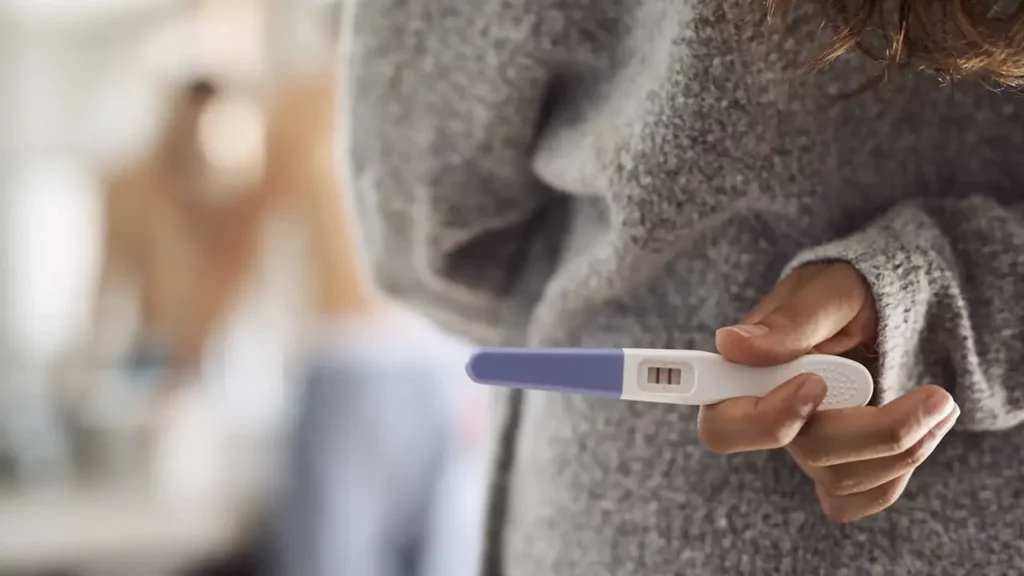
Women who previously suffered from morbid obesity often experience regular ovulation for the first time in years after surgery. This is something that rarely occurs during severe obesity.
If infertility was caused by Polycystic Ovary Syndrome (PCOS), sleeve gastrectomy can also help. The surgery improves hormonal imbalances associated with PCOS and increases fertility.
Read more: How weight loss surgery improves fertility in obese women
2. You Must Wait Long Enough Before Getting Pregnant
Pregnancy after sleeve gastrectomy is considered safe only after reaching weight stabilization. Pregnancy during the rapid weight loss phase is strongly discouraged.

After surgery, the body undergoes significant metabolic and nutritional changes. During this period, rapid weight loss and nutrient deficiencies may prevent essential nutrients from reaching the fetus and may increase the risk of miscarriage or congenital abnormalities.
How long should you wait before pregnancy after sleeve gastrectomy?
Most specialists recommend waiting at least 18 months after sleeve gastrectomy before trying to conceive. This waiting period allows:
- The body to reach a stable weight
- Nutrient deficiencies to be corrected
Always consult both your bariatric surgeon and gynecologist to determine the safest timing for pregnancy after sleeve gastrectomy.
3. Careful Monitoring of Nutrient Intake Is Essential
Sleeve gastrectomy significantly reduces food intake and nutrient absorption. Even small meals may not be fully absorbed, increasing the risk of vitamin and mineral deficiencies.

For women planning pregnancy after sleeve gastrectomy, this issue becomes even more critical. During pregnancy, the demand for nutrients increases, and supplementation is essential.
Key nutrients include:
- Protein
- Vitamin B12
- Iron
- Folate
- Calcium
- Vitamin D
Why are nutritional deficiencies dangerous?
Insufficient nutrient intake can lead to:
- Maternal anemia
- Neural tube defects
- Preterm birth
- Low birth weight
4. You Need a Gynecologist Familiar With Bariatric Surgery
Women who have undergone sleeve gastrectomy require specialized care. This is even more important for those planning pregnancy after sleeve gastrectomy.

Your gynecologist must be familiar with bariatric procedures and their nutritional and metabolic implications. Coordination between the gynecologist and bariatric surgeon is essential throughout pregnancy.
Must read: How much does sleeve gastrectomy cost?
5. The Risk of Some Complications May Decrease—or Increase
One of the benefits of pregnancy after sleeve gastrectomy is the reduced risk of obesity-related complications, such as:
- Gestational diabetes
- Preeclampsia
- Chorioamnionitis
- Cesarean section
- Macrosomia
- NICU admission
However, if nutritional guidelines are not followed, the risk of the following may increase:
- Preterm birth
- NICU admission
- Stillbirth
Following medical and nutritional recommendations is critical.
6. Gaining the Right Amount of Weight Can Be Challenging

Most weight loss occurs in the first year after surgery and may continue into the second year. However, women planning pregnancy after sleeve gastrectomy must gain some weight during pregnancy.
This can be psychologically challenging. For this reason, pregnancy should only occur after full weight stabilization.
7. Cesarean Delivery May Be More Common (But Not Mandatory)
Some studies suggest that women who have had sleeve gastrectomy may require cesarean delivery more often than the general population. This is often due to higher maternal age rather than the surgery itself.
Interestingly, obese women who did not undergo sleeve gastrectomy are more likely to require cesarean delivery than those who did.
Breastfeeding After Sleeve Gastrectomy
Breastfeeding after sleeve gastrectomy is not forbidden, but it should not begin too soon after surgery.
Why?
- You may still be taking medications
- Rapid weight loss can cause severe nutrient deficiencies

Doctors usually recommend delaying breastfeeding until full stabilization. During this time, focus on hydration and supplements, and use formula as a safe alternative.
Frequently Asked Questions
At least 12–18 months after surgery, once weight has stabilized.
Severe nutrient deficiencies and congenital abnormalities.
Yes. Joint care from a gynecologist and bariatric surgeon is essential.
In some cases, yes—mainly due to reduced obesity-related complications such as gestational diabetes.